
Midstate Medical Moment: Lung Cancer Screenings Save Lives
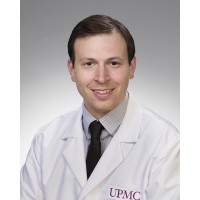
John Brady, DO, surgeon, UPMC Thoracic Surgery
Lung cancer often gets lost in the shuffle of cancer awareness campaigns. Yet, it remains our nation’s deadliest and third most common form of cancer. Understanding whether you or a loved one qualifies for lung cancer screening is important as early detection can be lifesaving.
Q: Who is eligible for screening?
Lung cancer screening is for anybody who is at high risk of lung cancer due to smoking. If you’re a smoker between the ages of 50 and 80 who has smoked 20 pack years or more over the course of your life — such as a pack a day for 20 years, or 2 packs a day for 10 years — talk with your health care provider about getting screened.
Q: Can I still get lung cancer if I’m not a smoker?
People who have never smoked can develop lung cancer. Evidence shows that environmental pollutants and radon may play a role in the development of lung cancers in nonsmokers.
Many times, lung cancer patients don’t show symptoms until the disease has spread. If you notice unusual symptoms such as a persistent cough that does not go away or gets worse; if you’re coughing up blood or rust-colored fluid; if you’re experiencing hoarseness, trouble breathing or increased fatigue, talk with your doctor to rule out other causes or get screened appropriately.
Q: What is involved with lung cancer screening?
Research shows that screenings have allowed doctors to catch lung cancers earlier, providing the best long-term chance of success for patients. Screening involves a low dose CT (computed tomography) scan where doctors look for abnormal areas on images of your lungs. If an unusual area is identified, further testing and imaging will be done to determine the type of cancer and whether it has spread to other areas of the body.
Q: What treatments are available for lung cancer?
Surgery, chemotherapy, radiation and immunotherapies are all options for treating lung cancer. Doctors at UPMC Hillman Cancer Center collaborate closely to develop individualized treatment approaches. As the region’s only National Cancer Institute-designated Comprehensive Cancer Center, patients may be able to take part in clinical trials of advanced lung cancer treatment approaches.
Through the Midstate Medical Moment, UPMC wants to raise awareness about the health conditions affecting people living in the communities we serve. For more information about UPMC services in Central Pennsylvania, visit UPMC.com/centralpa.
UPMC Pinnacle Foundation
-
Zach Sweger Communications Specialist II, Media Relations
- December 22, 2025
- 717-678-1300
- Send Email
